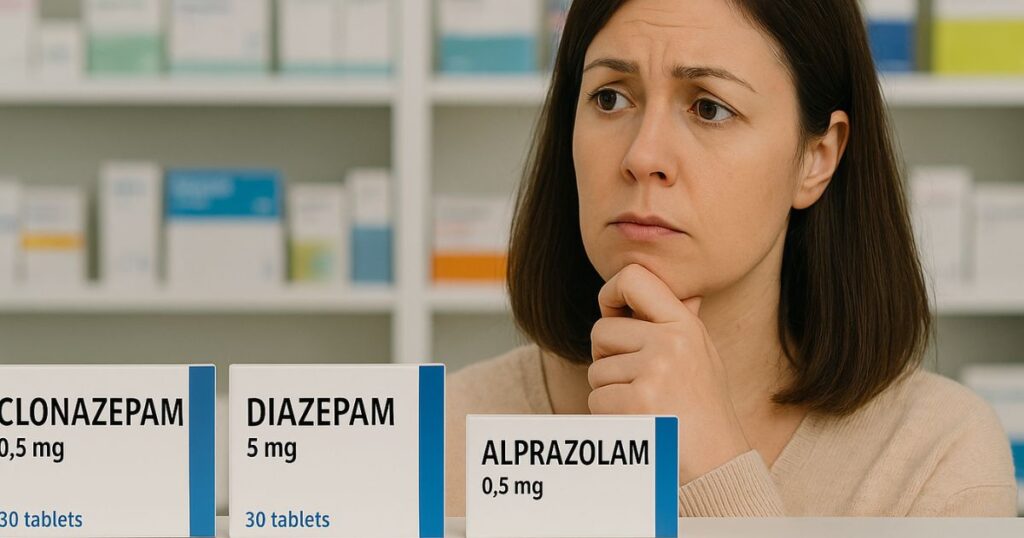
Understanding the Differences Between Clonazepam and Other Benzodiazepines
Benzodiazepines are a widely used class of medicines prescribed for conditions such as anxiety disorders, panic attacks, seizures, and insomnia. Among them, clonazepam is one of the most recognised, often prescribed for both seizure control and severe anxiety symptoms. However, many patients wonder how clonazepam differs from other benzodiazepines like diazepam, lorazepam, alprazolam, and temazepam.
This guide provides a clear, patient-focused comparison to help you understand the differences between clonazepam and other benzodiazepines, their unique characteristics, and what factors clinicians consider when choosing the best option.
What Are Benzodiazepines?
Benzodiazepines are central nervous system depressants. They work by enhancing GABA, a neurotransmitter that calms excessive brain activity. While all benzodiazepines share this mechanism, they differ significantly in:
- Onset of action
- Duration of effects
- Clinical uses
- Strength and potency
- Half-life (how long the medicine stays in your system)
These differences affect whether a specific benzodiazepine is best for anxiety, panic, sleep, seizures, or short-term crisis relief.
What Makes Clonazepam Unique?
Clonazepam is considered a high-potency, long-acting benzodiazepine. Its key characteristics include:
- Long half-life: Typically 18–50 hours, providing stable, sustained effects.
- High potency: Effective at low doses compared to some other benzodiazepines.
- Primary uses: Seizure disorders, panic disorder, and severe anxiety.
- Slower onset: Takes longer than some benzodiazepines to start working.
Because of its long-lasting effect, clonazepam is preferred when consistent symptom control is needed rather than quick, short-term sedation.
Clonazepam and Other Benzodiazepines
Diazepam (Valium)
- Onset: Fast — often within 15–30 minutes.
- Half-life: Long but with active metabolites lasting up to several days.
- Best for: Muscle spasms, acute anxiety, withdrawal symptoms, pre-procedure calming.
Compared to diazepam, clonazepam has a more stable long-term effect and is preferred for ongoing panic or seizure control. Diazepam is faster-acting but more “sedating” in the short term.
Lorazepam (Ativan)
- Onset: Rapid to moderate.
- Half-life: 10–20 hours.
- Best for: Severe anxiety, acute agitation, medical procedures.
Lorazepam is often used when immediate relief is needed, while clonazepam is chosen for extended, sustained effects.
Alprazolam (Xanax)
- Onset: Very fast.
- Half-life: Short — around 11 hours.
- Best for: Panic attacks and rapid-onset anxiety symptoms.
Alprazolam is stronger per milligram and acts quickly, but its short duration can cause fluctuations in symptom control. Clonazepam is often preferred for panic disorder because it provides steadier coverage with less rebound anxiety.
Temazepam
- Onset: Moderate.
- Half-life: 8–20 hours.
- Best for: Short-term insomnia.
Temazepam is designed for sleep, not daytime anxiety or seizure control. Clonazepam is not usually prescribed primarily as a sleep aid.
Midazolam
- Onset: Very rapid — one of the fastest in the class.
- Half-life: Very short.
- Best for: Sedation during medical procedures.
Midazolam is rarely used outside hospital or controlled settings. Clonazepam, in contrast, is suitable for long-term outpatient therapy under supervision.
Duration and Half-Life Comparison
Understanding duration helps explain why different benzodiazepines are prescribed for different conditions:
- Clonazepam: Long-acting — ideal for sustained anxiety or seizure control.
- Diazepam: Long-acting — good for withdrawal or muscle spasms.
- Alprazolam: Short-acting — fast relief but shorter-lasting.
- Lorazepam: Medium duration — balanced relief for acute anxiety.
- Temazepam: Medium duration — sleep-focused.
Long-acting benzodiazepines like clonazepam are less likely to cause rebound symptoms but require careful dosing due to accumulation.
Which Benzodiazepine Is Best?
There is no universal “best” benzodiazepine — the right choice depends on clinical need:
- Panic disorder: Clonazepam or alprazolam
- Seizures: Clonazepam or diazepam (in specific forms)
- Generalised anxiety: Lorazepam or clonazepam
- Insomnia: Temazepam
- Acute agitation: Lorazepam or midazolam (supervised)
Your clinician will determine the most appropriate medicine based on symptoms, health history, other medications, and risk factors.
Safety Considerations
All benzodiazepines carry risks, especially with long-term use. These include:
- Dependence and tolerance
- Withdrawal symptoms when discontinued abruptly
- Daytime drowsiness or impaired coordination
- Interaction with alcohol, opioids, and sedatives
Because clonazepam has a long half-life, withdrawal may be more gradual but still requires clinical supervision.
Frequently Asked Questions
Is clonazepam stronger than other benzodiazepines?
It is considered high-potency, meaning lower doses achieve strong therapeutic effects — but “stronger” depends on the condition and dose.
Why do some people prefer short-acting benzodiazepines?
Short-acting options like alprazolam provide rapid relief during panic attacks, but they also wear off faster and may cause rebound anxiety.
Can clonazepam be used for sleep?
It may cause sedation but is not typically prescribed as a primary sleep medication. Temazepam or other hypnotics are more appropriate.
Is clonazepam addictive?
All benzodiazepines can be habit-forming if used improperly or long-term. Prescribers generally recommend the lowest effective dose for the shortest duration needed.
What should I do if my benzodiazepine no longer works as well?
Do not increase your dose without medical advice. Tolerance can occur, and clinicians may adjust treatment, taper the medication, or discuss alternatives.
Final Thoughts
While clonazepam and other benzodiazepines share similarities, its long duration, potency, and suitability for ongoing anxiety and seizure control make it distinct. Choosing the right benzodiazepine requires careful clinical assessment, personalised dosing, and ongoing monitoring to ensure both safety and effectiveness.
If you have concerns about your medication or are considering a change, always discuss this with a licensed healthcare professional who can guide you safely.