Clonazepam Dosage and Its Effects: What You Need to Know
Clonazepam is a prescription-only benzodiazepine used to treat conditions such as epilepsy, panic disorder, and certain severe anxiety-related conditions. Because clonazepam acts directly on the central nervous system, understanding the correct clonazepam dosage and its effects is essential for safe and effective treatment.
This guide explains how clonazepam works, how dosing is determined, what effects patients may experience, and the key safety considerations both patients and caregivers should be aware of.
What Is Clonazepam?
Clonazepam belongs to the benzodiazepine class of medicines. It works by enhancing the effect of a calming neurotransmitter in the brain, helping to reduce excessive electrical activity. This makes it effective for controlling seizures and reducing intense anxiety or panic symptoms.
Due to its potency and relatively long duration of action, clonazepam is prescribed with caution and is usually intended for specific medical indications rather than general or long-term anxiety management.
Why Clonazepam Dosage Is So Important
Clonazepam affects brain activity, coordination, and alertness. Even small changes in dose can significantly alter how the medicine works and how the body responds.
Taking too much clonazepam can lead to excessive sedation and impaired functioning, while taking it for too long can increase the risk of tolerance, dependence, and withdrawal symptoms.
How Clonazepam Dosage Is Determined
There is no single standard dose that suits everyone. Prescribers tailor clonazepam dosage based on individual clinical needs.
Factors that influence dosage
- The condition being treated (seizures vs panic disorder)
- Severity and frequency of symptoms
- Age and body weight
- Overall physical and mental health
- Other medicines being taken
- Previous response to benzodiazepines
This individualized approach helps ensure effectiveness while minimizing risk.
Typical Clonazepam Dosage Use
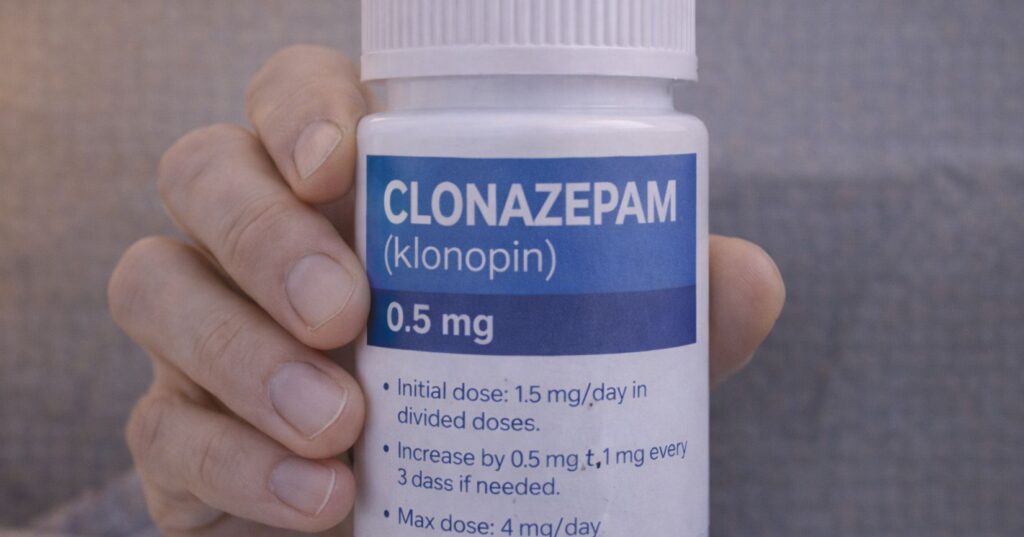
Clonazepam is usually started at a low dose and increased gradually if needed. This slow adjustment helps reduce side effects and allows the body to adapt.
For seizure disorders, dosing is often carefully titrated and may be divided throughout the day. For panic disorder, lower doses are typically used, and treatment duration is often limited.
Patients should always follow their prescriber’s instructions exactly and never adjust their dose independently.
The Effects of Clonazepam
Clonazepam produces both therapeutic effects and potential side effects. Understanding both is key to safe use.
Intended therapeutic effects
- Reduced seizure frequency or severity
- Decreased panic attacks
- Reduced anxiety-related physical symptoms
- Muscle relaxation
Common side effects
- Drowsiness or fatigue
- Dizziness or light-headedness
- Reduced concentration
- Slowed reaction time
- Muscle weakness
These effects are often dose-related and may improve as the body adjusts.
Signs the dose may be too high
- Excessive sleepiness
- Confusion or memory problems
- Unsteadiness or frequent falls
- Slurred speech
If these symptoms occur, medical advice should be sought promptly.
Interactions That Can Affect Clonazepam Dosage
Clonazepam can interact with other medicines and substances, increasing sedation and other risks.
- Alcohol, which significantly increases sedation and breathing risk
- Other benzodiazepines or sleeping tablets
- Opioid painkillers
- Certain antidepressants and antipsychotics
Patients should always inform their prescriber about all medications, supplements, and alcohol use.
Dependence, Tolerance, and Long-Term Use
With repeated use, the body can develop tolerance to clonazepam, meaning higher doses may be needed for the same effect. This can lead to dependence, where stopping the medicine suddenly causes withdrawal symptoms.
For this reason, clonazepam is often prescribed for the shortest duration necessary, particularly when used for anxiety or panic disorders.
Stopping or Reducing Clonazepam Safely
Clonazepam should not be stopped suddenly after regular use. Abrupt discontinuation can cause:
- Rebound anxiety or panic
- Sleep disturbance
- Irritability
- In severe cases, seizures
If treatment needs to end, a clinician will usually recommend a gradual reduction in clonazepam dosage to allow the body to adjust safely.
Best Practices for Patients and Caregivers
- Take clonazepam exactly as prescribed
- Do not increase or skip doses
- Avoid alcohol and unnecessary sedatives
- Attend regular medication reviews
- Report side effects or reduced effectiveness early
Caregivers should help monitor for excessive sedation, confusion, or changes in behavior, particularly in older adults.
FAQs About Clonazepam Dosage
Can I adjust my clonazepam dose myself?
No. Any dose changes must be made by a healthcare professional.
Is clonazepam safe for long-term use?
Long-term use may be appropriate in certain seizure disorders but requires close monitoring.
Does a higher dose work better?
Not always. Higher doses increase the risk of side effects and dependence.
Is clonazepam safe for older adults?
It may be used with caution at lower doses due to increased sensitivity and fall risk.
Using Clonazepam Safely and Effectively
Understanding clonazepam dosage and its effects is essential for safe treatment. When used exactly as prescribed, clonazepam can be highly effective for controlling seizures and managing severe anxiety or panic symptoms.
The key principles are clear: follow medical advice, avoid self-adjusting doses, be aware of interactions, and attend regular reviews. Responsible, informed use helps ensure clonazepam provides benefit while minimizing avoidable risks.