The Benefits and Risks of Using Clonazepam for Anxiety Management
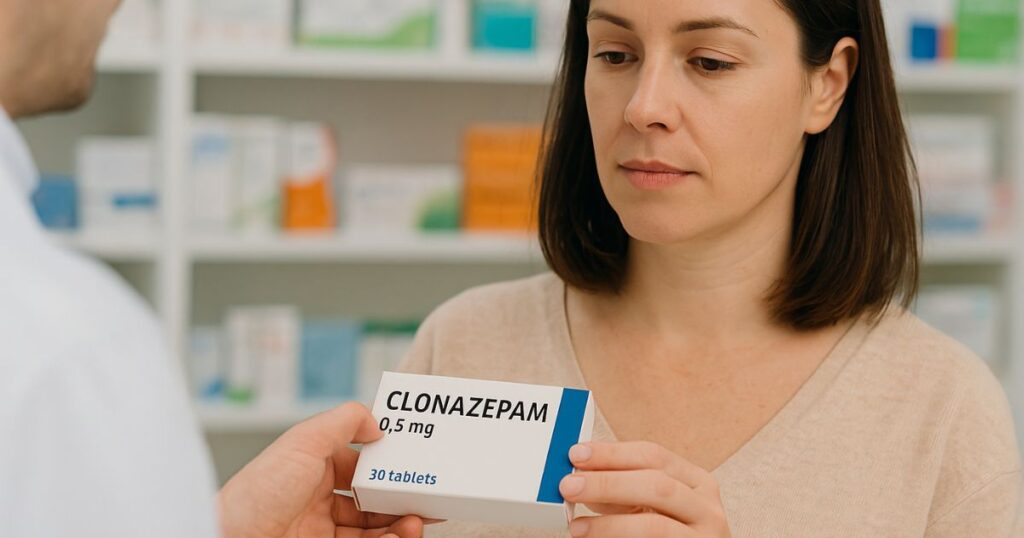
Clonazepam is a well-known benzodiazepine prescribed for conditions such as panic disorder, severe anxiety episodes, and certain seizure disorders. Because of its calming effects and long duration of action, many patients and clinicians consider clonazepam for anxiety management when symptoms become overwhelming or resistant to other treatments. But like all benzodiazepines, it carries important risks that must be weighed carefully.
This comprehensive guide explains how clonazepam works, the potential benefits, the risks involved, and key considerations for safe use under medical supervision.
How Clonazepam Works for Anxiety
Clonazepam enhances the effect of GABA, a neurotransmitter responsible for slowing overactive brain activity. For individuals experiencing severe anxiety, panic attacks, or intense physiological symptoms, this calming effect can provide rapid relief.
- Reduces excessive neural activity
- Helps regulate physical symptoms of anxiety (rapid heartbeat, trembling, hyperventilation)
- Lowers the intensity and frequency of panic attacks
- Supports relaxation and stabilisation during acute episodes
These qualities help explain why clinicians sometimes prescribe clonazepam for anxiety treatment—particularly for panic disorder.
The Benefits of Clonazepam for Anxiety Management
Fast and Effective Relief
Clonazepam typically begins working within an hour. This makes it especially useful for sudden spikes in anxiety or panic, when immediate support is needed.
Long-Lasting Effects
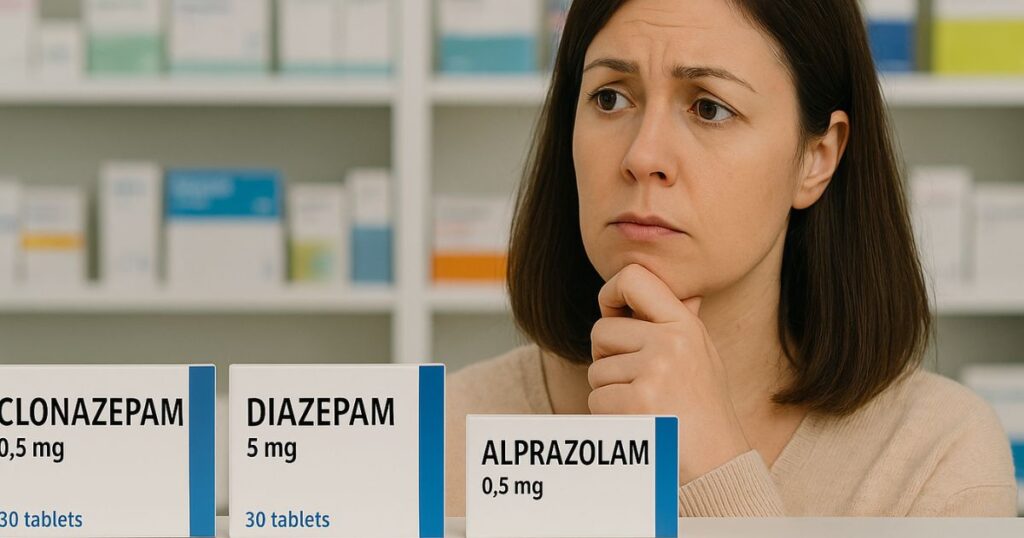
Compared to shorter-acting benzodiazepines like alprazolam, clonazepam has a long half-life—often 18–50 hours. This means fewer fluctuations in symptoms and more consistent relief throughout the day.
Useful for Panic Disorder
Clonazepam is widely recognised as an effective treatment for panic disorder when used appropriately. Its stabilising effects help reduce both the mental and physical symptoms associated with panic attacks.
Can Be Helpful During Transition to Long-Term Treatments
Many clinicians prescribe clonazepam short-term while longer-term treatments—such as SSRIs or CBT—begin to take effect. This can help patients remain functional during the adjustment period.
The Risks and Precautions of Using Clonazepam for Anxiety
While clonazepam can be effective, it is not without risks. Understanding these is essential for safe, responsible use.
Risk of Dependence
Like all benzodiazepines, clonazepam can lead to physical or psychological dependence if used regularly over time. This is why clinicians usually prescribe the lowest effective dose for the shortest possible duration.
Tolerance Over Time
With frequent use, some individuals may find that the same dose becomes less effective. Increasing the dose without medical guidance is unsafe and can lead to more serious dependence.
Withdrawal Symptoms
Stopping clonazepam suddenly may lead to withdrawal symptoms such as rebound anxiety, restlessness, insomnia, or physical discomfort. Tapering under medical supervision is essential.
Sedation and Cognitive Effects
Clonazepam may cause:
- Drowsiness
- Slowed reaction time
- Memory difficulties
- Dizziness or impaired coordination
Patients should avoid driving or operating machinery until they understand how the medication affects them.
Interactions with Other Substances
Clonazepam should never be combined with alcohol, opioids, or other sedatives due to the risk of respiratory depression and life-threatening complications.
Who May Benefit from Clonazepam?
Clonazepam may be appropriate for individuals who:
- Experience severe or acute anxiety episodes
- Have panic disorder with sudden attacks
- Have not responded to initial treatments
- Need temporary relief while long-term medications take effect
A clinician will weigh the benefits against the risks before prescribing clonazepam for anxiety.
Who Should Avoid Clonazepam?
Clonazepam may not be appropriate for individuals who:
- Have a history of substance misuse
- Are pregnant or breastfeeding (unless specifically reviewed by a specialist)
- Have respiratory conditions such as sleep apnoea
- Are using other sedative medications
A full medical assessment is essential before starting treatment.
Alternatives to Clonazepam for Anxiety
Many patients benefit from alternative or complementary anxiety treatments, such as:
- SSRIs or SNRIs (first-line medications for long-term anxiety control)
- Buspirone
- CBT or other psychological therapies
- Lifestyle changes such as exercise, sleep improvement, and stress management techniques
Clonazepam is best thought of as a short-term or situationally appropriate option rather than a long-term anxiety solution.
Frequently Asked Questions
How long can I safely take clonazepam for anxiety?
Most clinicians recommend short-term use, typically a few weeks, though duration varies based on individual needs and clinical judgement.
Does clonazepam work immediately?
It begins working within 30–60 minutes for many people, though full effects may take longer depending on the dose.
Is clonazepam addictive?
Dependence is possible, particularly with long-term or high-dose use. Responsible, monitored prescribing reduces the risk.
Can I use clonazepam daily for anxiety?
Daily use is generally discouraged unless closely supervised. Long-acting benzodiazepines may accumulate in the body over time.
What should I do if clonazepam stops working as well?
Do not increase the dose yourself. Speak with your clinician—they may adjust the treatment plan or recommend alternatives.
Final Thoughts
Clonazepam for anxiety management can offer meaningful, rapid relief when symptoms are intense, disruptive, or resistant to other treatments. However, due to the risks of dependence, sedation, and withdrawal, it should always be used thoughtfully and under professional supervision.
If you are considering clonazepam—or currently using it—speak with a licensed clinician to ensure your treatment is safe, effective, and aligned with your long-term wellbeing.